
Introduction
Windows are one of the most important elements in any building. They determine how natural light enters a space, how air circulates, how well heat is retained, and how comfortable a room feels throughout the year. In modern construction, aluminum alloy windows have become a preferred solution for architects, developers, and homeowners seeking performance, durability, and contemporary design.
Compared with traditional window materials, aluminum alloy windows offer superior strength, slim profiles, excellent weather resistance, and outstanding adaptability to modern architectural trends. From residential homes to high-rise commercial buildings, aluminum alloy windows play a key role in creating brighter, more energy-efficient, and visually appealing spaces.
This article provides a comprehensive introduction to aluminum alloy windows, including their structure, advantages, types, applications, and why they are widely regarded as a future-proof window solution.
What Are Aluminum Alloy Windows?
Aluminum alloy windows are window systems made primarily from aluminum alloy profiles, combined with glass, sealing systems, and hardware components. By adding specific alloy elements to aluminum, manufacturers significantly enhance its strength, rigidity, and durability while maintaining lightweight characteristics.
Unlike wooden windows, aluminum alloy windows do not swell, crack, or rot due to moisture. Unlike steel windows, they resist corrosion without heavy protective coatings. These properties make aluminum alloy windows suitable for a wide range of climates and long-term use.
A typical aluminum alloy window system includes:
-
Aluminum alloy frames and sashes
-
Single, double, or triple-glazed glass
-
Thermal break structures (optional)
-
Sealing strips and drainage systems
-
Precision hardware accessories
Key Advantages of Aluminum Alloy Windows
1. High Structural Strength and Stability
Aluminum alloy windows offer excellent structural performance. Their high strength allows for larger window openings and slimmer frame designs without compromising safety or stability. This makes them ideal for modern buildings that emphasize openness and expansive views.
Even in high-rise buildings or areas exposed to strong winds, aluminum alloy windows maintain reliable performance.
2. Superior Weather Resistance
Aluminum alloy windows perform exceptionally well in harsh environmental conditions. They are resistant to:
-
Rain and humidity
-
UV radiation
-
Temperature fluctuations
Surface treatments such as powder coating, anodizing, or fluorocarbon coating further enhance durability and color stability, ensuring long-term aesthetic quality.
3. Excellent Thermal Insulation with Modern Technology
Modern aluminum alloy windows often feature thermal break technology, which separates the inner and outer aluminum profiles using low-conductivity materials. This significantly reduces heat transfer and improves energy efficiency.
When paired with insulated glass units, aluminum alloy windows help maintain indoor temperatures, reduce heating and cooling costs, and improve overall living comfort.
4. Outstanding Sound Insulation Performance
Noise pollution is a growing concern in urban environments. Aluminum alloy windows, especially those equipped with double or triple glazing, provide effective sound insulation.
They help block traffic noise, construction sounds, and external disturbances, creating quieter indoor spaces for living and working.
5. Modern Aesthetics and Design Flexibility
Aluminum alloy windows are known for their clean lines and modern appearance. Slim frame designs allow for larger glass areas, maximizing natural light and enhancing visual transparency.
Available in various colors, finishes, and opening styles, aluminum alloy windows can be customized to match different architectural styles—from minimalist and modern to industrial and contemporary classic.
6. Low Maintenance and Long Service Life
Aluminum alloy windows require minimal maintenance. Their surfaces are resistant to fading, peeling, and corrosion, and routine cleaning is usually sufficient to maintain their appearance.
With proper installation and quality hardware, aluminum alloy windows can serve reliably for decades.
7. Environmentally Sustainable Choice
Aluminum is one of the most recyclable materials in the construction industry. Aluminum alloy windows can be recycled and reused without significant loss of performance, supporting sustainable building practices and reducing environmental impact.
Common Types of Aluminum Alloy Windows
1. Aluminum Alloy Casement Windows
Casement windows open inward or outward on hinges. They offer excellent sealing performance and ventilation efficiency, making them a popular choice for residential buildings.
2. Aluminum Alloy Sliding Windows
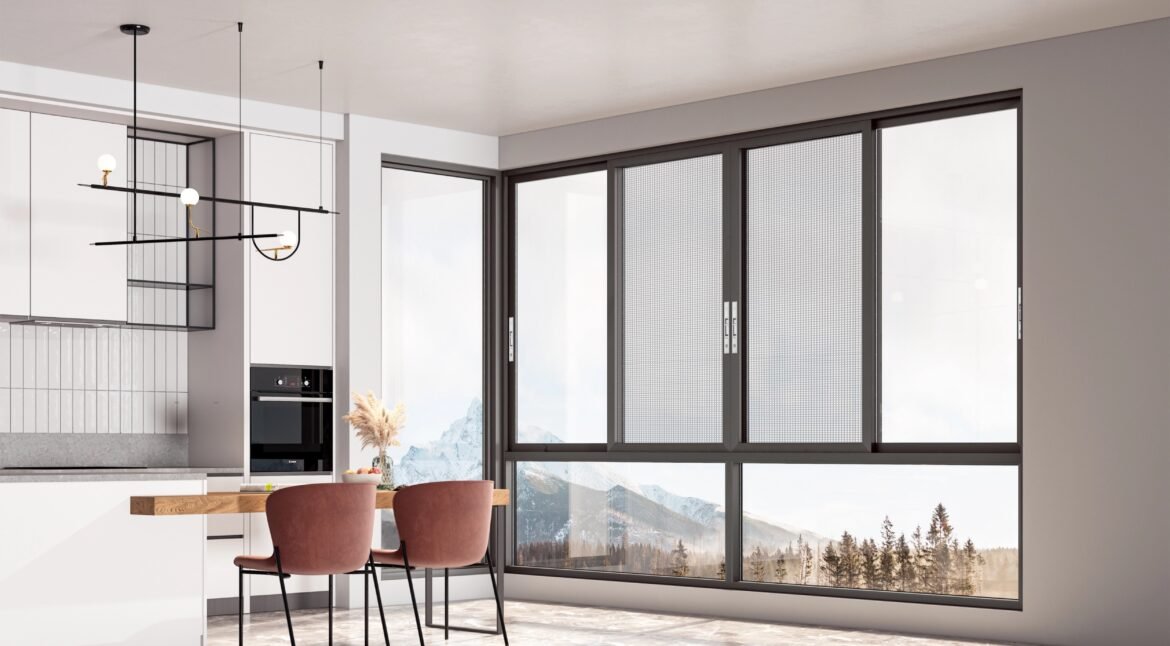
Sliding windows operate smoothly along tracks and are ideal for spaces where saving interior or exterior space is important. They are commonly used in apartments, balconies, and high-rise buildings.
3. Aluminum Alloy Awning Windows
Awning windows open outward from the bottom, allowing ventilation even during light rain. They are often used in bathrooms, kitchens, and utility areas.
4. Aluminum Alloy Fixed Windows
Fixed windows do not open and are primarily used to provide natural light and views. They are often combined with operable windows to create visually striking window walls.
Applications of Aluminum Alloy Windows
Aluminum alloy windows are widely used in:
-
Residential homes and apartments
-
Commercial office buildings
-
Hotels and resorts
-
Shopping centers
-
Public buildings such as schools and hospitals
Their versatility allows them to meet both functional and aesthetic requirements across different projects.
Aluminum Alloy Windows Compared with Other Materials
Compared with Wooden Windows
-
Better moisture resistance
-
No risk of warping or insect damage
-
Longer lifespan
Compared with uPVC Windows
-
Higher strength for large openings
-
More premium appearance
-
Better performance in extreme climates
Compared with Steel Windows
-
Lighter weight
-
Better corrosion resistance
-
Greater design flexibility
Why Aluminum Alloy Windows Are a Smart Investment
Aluminum alloy windows combine performance, aesthetics, and sustainability in one solution. Their durability reduces long-term maintenance costs, while their energy efficiency supports lower utility expenses.
For developers, architects, and homeowners looking for reliable, modern, and future-oriented window systems, aluminum alloy windows represent a smart and strategic investment.
Conclusion
Aluminum alloy windows have redefined modern window design by offering strength, elegance, energy efficiency, and long-term reliability. They enhance natural light, improve comfort, and contribute to sustainable construction practices.
As architectural standards continue to evolve, aluminum alloy windows will remain a cornerstone of contemporary building design.

