
With the progress of science and the continuous improvement of living standards, it has also promoted the rapid development of the building decoration materials industry. In recent years, in addition to the development of conventional concept products such as multi-variety, multi-standard and multi-color, decorative materials also have the following development characteristics.
1. Lightweight, high-strength product development
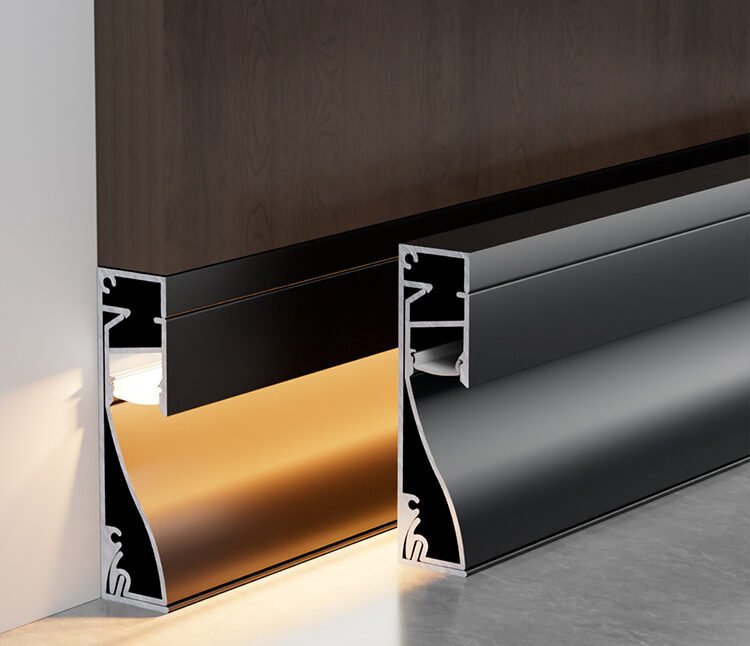
Due to the development of modern buildings to high-rise buildings, there are new requirements for the bulk density of materials. From the perspective of decorative materials, more and more lightweight, high-strength materials such as aluminum alloys are used.
Technically, the form of hollow sandwich honeycombs is used to make lightweight, high-strength decorative materials. Using high-strength fibers or polymers combined with common materials,
It is also a way to increase the strength of decorative materials and reduce weight. Such as aluminum alloy profiles, magnesium-aluminum alloy composite fiberboard, artificial marble, hollow vitrified tiles, etc., have been used in recent years.
2. Product versatility
In recent years, the coated glass insulating glass interlayer has developed rapidly. The glass heat reflective glass can not only adjust the indoor light, but also cooperate with the indoor air conditioner to save energy.
Various foamed foam sound-absorbing panels and even sound-absorbing coatings can not only decorate the interior, but also reduce noise.
Soft sound-absorbing decorative fiberboard, which used to be used for ceilings, has been gradually replaced by mineral wool sound-absorbing boards. The reason is that the latter is very refractory. This is one of the indispensable indicators of high-rise building decoration materials.
Now commonly used decorative wallpaper also has a variety of styles, with anti-static anti-fouling, fire alarm, anti-X-ray, anti-moth, anti-odor, heat insulation and other functions.
There are many kinds of decorative materials, involving a wide range of specialties, with the characteristics of cross-industry, cross-department and cross-region. It is difficult to standardize and serialize products, but my country learns from domestic experience. 1975 plans to develop in this field. At present, an industrial system with relatively complete varieties and relatively standardized standards has been initially formed. But in general, there are still some decorative materials that are not standardized and serialized. We need to work harder.

